

Maybe you’ve spotted a few missing shingles after a storm. Maybe a leak has appeared in the attic, or your roof simply looks like it has seen better days. Once replacement starts to feel inevitable, the next question usually follows: How much will a roof replacement cost?
It’s tempting to search for a quick national average, but roofing projects rarely fit neatly into one number. A simple, easy-to-access roof can be very different from one with steep slopes, multiple valleys, aging decking, or complicated flashing. Your shingle selection, ventilation needs, and what contractors find once the old roof comes off can also influence the final project.
That’s why understanding what drives roof replacement cost is more useful than starting with a generic price range. It gives you a better idea of what to expect, what questions to ask, and how to compare estimates based on value—not just the bottom line.
Since 1949, RIHI The Home Improvement Specialist has helped New England homeowners protect the place that protects them. With decades of experience working on homes exposed to the region’s rain, snow, wind, and seasonal temperature swings, RIHI knows that a successful roof replacement is about building a complete roofing system for the home underneath.
In this guide, we’ll take you through the factors that shape a roof replacement estimate, the costs that may not be obvious at first glance, and what to look for before choosing a contractor.
Want to know what replacing your roof will involve? Call RIHI at 401-739-1002 to schedule a free in-home assessment and receive an estimate based on your actual roof.
What Really Determines Roof Replacement Cost?
A roof replacement involves much more than swapping old shingles for new ones. Your roof is a complete system, with each component helping protect your home from water, wind, moisture, and changing weather conditions.
That means a roofing estimate has to account for more than the size of the house. Contractors may need to remove existing materials, inspect the roof deck, install protective layers, address flashing and ventilation, and work around architectural features that make installation more complex.
The biggest factors affecting roof replacement cost include:
- Roof size and pitch
- Overall roof complexity
- Shingle type and style
- Tear-off and disposal
- Roof deck condition
- Flashing and other roof details
- Attic ventilation
- Accessibility and installation requirements
Understanding how these pieces fit together can help you make better sense of your estimate and can explain why two seemingly similar homes may have very different roofing costs.
1. Start With Roof Size, Pitch, and Complexity
Roof size is one of the most obvious cost factors. A larger roof requires more shingles, underlayment, flashing, and other materials, along with more installation time.
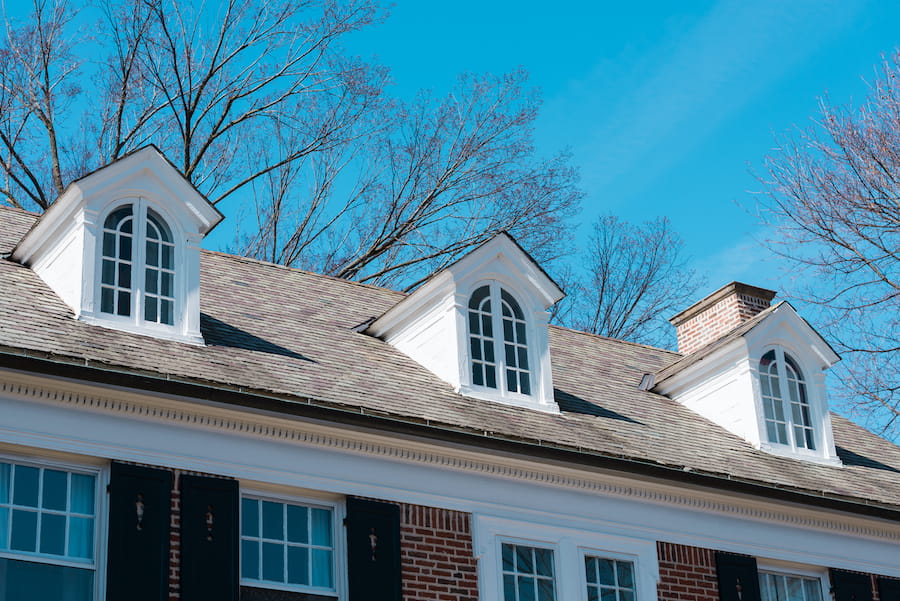
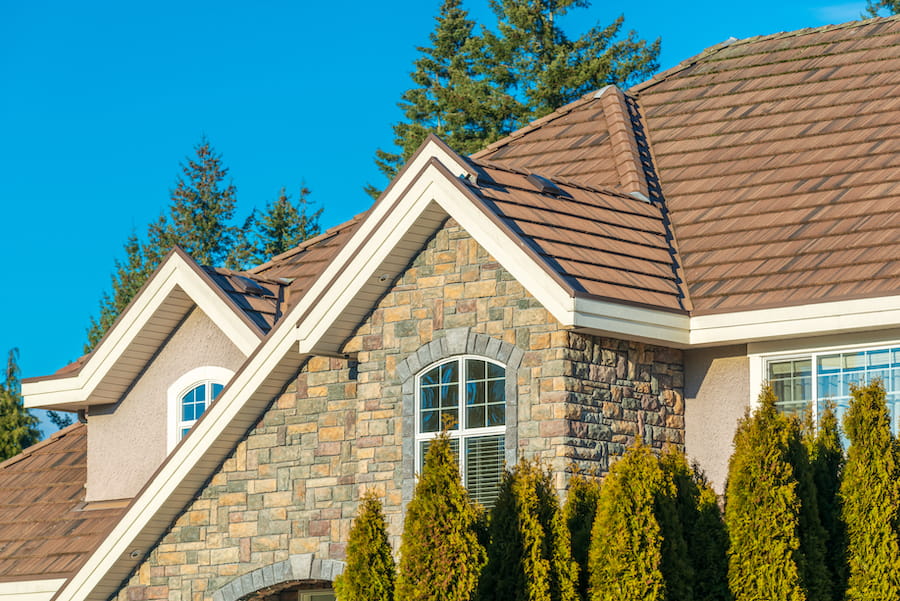
Roof slope, overhangs, attached garages, additions, dormers, and other architectural elements all contribute to the actual amount of roofing surface. A home with a relatively compact footprint may still have a large roof because of its pitch or design.
Complexity matters just as much. Features that can add complexity include:
- Steep pitches
- Multiple roof levels
- Valleys
- Dormers
- Chimneys
- Skylights
- Plumbing or exhaust vents
- Intersecting rooflines
These features don’t automatically mean there’s a problem with the roof. They simply make installation more involved.
That’s why accurate measurements and an evaluation of the roof’s design are essential. Roof replacement cost cannot be determined by square footage alone.
2. Your Shingle Choice Shapes Cost and Curb Appeal
Once the roof itself has been measured, the next major consideration is what you’re putting on it.
Different shingles offer different appearances, profiles, and performance characteristics. Your selection can therefore influence both the cost of the project and the finished look of your home.
RIHI installs Owens Corning roofing systems made with U.S.-made materials and offers several options for homeowners who want to balance performance with curb appeal.
Choices include:
- TruDefinition Duration shingles, which offer dimensional color and an architectural appearance
- Berkshire shingles, designed to capture the sophisticated look of natural slate
- Devonshire shingles, another slate-inspired option with distinctive depth and character
When comparing shingles, resist the temptation to look at price alone. Think about how each option fits your priorities for appearance, durability, color, and long-term performance.
A roof covers a large portion of your home’s exterior, so your material choice can have a significant impact on curb appeal as well as protection.
3. Tear-Off Reveals What’s Really Under Your Roof
One of the most important stages of a roof replacement happens before the new materials ever go on.
The existing roofing often needs to be removed so installers can access the underlying roof deck. That process—commonly called tear-off—adds labor, hauling, and disposal to the project.
It also gives the contractor an opportunity to see what has been hidden beneath the shingles.
A roof may look worn from the outside but have a solid deck underneath. Another may appear relatively ordinary until removal reveals deterioration caused by years of moisture intrusion.
The International Residential Code addresses existing roof coverings and roof replacement as part of the broader roof assembly, reinforcing why the underlying condition matters just as much, if not more, than external appearance.
4. Hidden Decking Damage Can Change the Estimate
Even a careful roof inspection cannot always reveal everything before work begins.
Once the old materials are removed, installers may find sections of roof decking that are deteriorated, damaged, or unsuitable for supporting the new roofing system.
Common causes can include:
- Long-term leaks
- Moisture intrusion
- Failed flashing
- Storm damage
- Aging materials
- Previous installation issues
If damaged decking is discovered, those sections may need to be repaired or replaced before installation can continue.
This is one reason the lowest initial estimate isn’t always the most useful number to focus on. A detailed roofing proposal should explain how unexpected decking problems will be handled if they appear.
It’s also why homeowners shouldn’t ignore roof leaks simply because they seem small. Water can travel beyond the visible problem area and affect insulation, ceilings, walls, framing, and other parts of the home.
Before signing a contract, ask your contractor:
- What happens if damaged decking is uncovered?
- How will I be notified before additional work is completed?
- What repairs are already included in the estimate?
- What conditions could change the final project scope?
Knowing the answers upfront can make the entire process more predictable.
5. Flashing and Water Protection Deserve Attention
Shingles may be the most visible part of a new roof, but some of the most important details are much less noticeable.
Roofs are particularly vulnerable where different materials meet or where the roof surface is interrupted. Chimneys, skylights, valleys, walls, vents, and changes in roof direction all require careful attention.
These areas often rely on flashing and other water-management components to direct moisture away from vulnerable openings.
The more penetrations and transitions a roof has, the more detailed installation can become.
Important areas may include:
- Chimney flashing
- Skylight perimeters
- Roof valleys
- Plumbing vents
- Sidewall and headwall transitions
- Roof edges and intersections
A roof with several of these features can require considerably more detail than one with broad, uninterrupted slopes.
These components may not have the visual impact of your new shingle color, but they have a major influence on how well the roof keeps water out.
6. Ventilation Can Affect the Scope of Your Project
Your roof does not operate independently from the attic underneath it.
Heat and moisture need to be managed appropriately, and ventilation can play an important role in many attic assemblies. The U.S. Department of Energy notes that excessive attic moisture can contribute to wet insulation, mold, warped materials, and deterioration.
Depending on the property, contractors may look at components such as:
- Soffit or intake ventilation
- Ridge vents
- Other exhaust ventilation
- Existing airflow through the attic
If the current ventilation system is inadequate or poorly configured, changes may be recommended as part of the roofing project.
That can add to the scope, but it also helps address conditions that could otherwise affect the roof and attic over time.
Rather than viewing ventilation as an unrelated add-on, think of it as part of the broader system protecting the home.
7. Accessibility and Site Conditions Affect Installation
The roof itself is only part of what a contractor has to evaluate. The property around it matters too.
Crews need space to deliver materials, remove debris, set up equipment, work safely, and protect surrounding areas.
A home on an open lot with straightforward roof access may be simpler to stage than one with:
- Tight property lines
- Extensive landscaping
- Multiple stories
- Additions
- Fences or outbuildings
- Limited driveway access
- Difficult staging areas
These conditions can influence material handling, labor, safety procedures, debris removal, and cleanup. They’re another reason why an online calculator or national average can never give you the whole picture.

Repair or Replace: Which Makes More Sense?
Cost discussions often lead to another question: Do you really need a new roof, or could you repair the one you already have?
A repair may be appropriate when damage is isolated and the rest of the roofing system remains in good condition.
Replacement may deserve consideration when you are dealing with:
- Widespread shingle deterioration
- Recurring leaks
- Damage across multiple areas
- Significant storm damage
- An aging roofing system
Repeated repairs can sometimes address symptoms without solving the larger issue.
Instead of asking only, “Which option costs less today?” Consider asking, “Which option makes sense for the overall condition of my roof?”
A professional assessment can help you understand the difference.
What Should a Roof Replacement Estimate Include?
Once you begin collecting estimates, don’t compare only the totals at the bottom of the page.
Make sure you understand what each contractor is actually proposing.
A detailed estimate should address items such as:
- Roofing materials and shingle selection
- Existing roof removal
- Underlayment and water-protection components
- Flashing
- Ventilation
- Installation labor
- Cleanup and disposal
- How potential decking repairs will be handled
- Warranty coverage
Two contractors can both quote a “roof replacement” while including very different levels of work.
One proposal may account for the complete roofing system, while another leaves important components unclear or treats them as additional costs later.
The goal is not simply to find the lowest number, but to understand what you’re getting for your investment, how the roof will be installed, and how the finished system will protect your home for years to come.
Why Homeowners Choose RIHI for Roof Replacement
The quality of your roofing materials matters. So does the company installing them.
For more than 75 years, RIHI The Home Improvement Specialist has helped homeowners throughout Southern New England protect and improve their homes.
Homeowners choose RIHI for:
-
- Extensive local experience with New England homes and weather
- U.S.-made Owens Corning roofing products
- Multiple shingle styles and colors
- Recognition as the area’s only locally-owned Owens Corning Platinum Preferred provider
- A No-Hassle, No-Nonsense Warranty
- The personal service of a family-owned company
That combination gives homeowners more than a new roof. It provides a complete roofing solution focused on protection, appearance, and long-term confidence.
Protect Your Home With a Roof Built for New England
So, how much will a roof replacement cost?
The most accurate answer depends on your roof, not a national average.
Size, slope, materials, hidden damage, ventilation, flashing, and installation requirements all influence the final project. Understanding those factors helps you compare estimates more confidently and choose a roofing solution that protects your home for years to come.
With more than 75 years of local experience, Owens Corning roofing systems, Platinum Preferred status, and a No-Hassle, No-Nonsense Warranty, RIHI makes it easier to move forward with confidence.
Call RIHI at 401-739-1002 today to schedule your free in-home roof assessment and receive an estimate based on your home, your roof, and your priorities.
FAQ: Roof Replacement Cost
Q: How much does a roof replacement cost?
Roof replacement cost varies based on roof size, pitch, complexity, materials, tear-off requirements, decking condition, flashing, ventilation, accessibility, and installation needs. An on-site assessment provides the most accurate estimate.
Q: What has the biggest impact on roof replacement cost?
Roof size and material choice are major factors, but complexity, slope, existing damage, and installation conditions can also significantly affect the project.
Q: Does roof pitch affect replacement cost?
Yes. Steeper roofs can require additional labor, safety measures, and installation time. Roofs with multiple slopes, valleys, dormers, or other architectural features may also be more complex to replace.
Q: Can damaged roof decking increase the cost?
Yes. If the decking underneath the existing roof is deteriorated or damaged, repairs may be needed before the new roofing system can be installed.
Q: Is it better to repair or replace a roof?
It depends on the condition of the roof. An isolated issue may be repairable, while widespread deterioration, recurring leaks, or extensive damage may make replacement a more appropriate option.
Q: How can I get an accurate roof replacement estimate?
Schedule a professional roof assessment. A contractor can evaluate the roof’s size, slope, condition, materials, ventilation, and installation requirements before preparing a project-specific estimate.
Related Topics